Interactive Product Troubleshooting Tree Software Repair Guidance with Human-Controlled AI
Decision-tree grounded troubleshooters with governed AI guidance, human control, and safe escalation for consistent technical support.
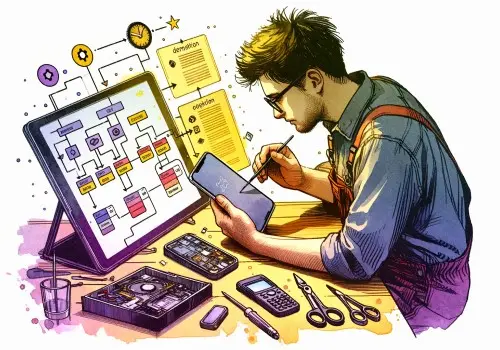
Decision tree Troubleshooter tools can eliminate upto 96% of irrelevant information with 'Half-Splitting'.
Guided Repair Outcomes
Enable safe self-resolution with escalation paths
Root Cause Isolation
Fewer steps with traceable decisions
Governed Knowledge Base
Single source of truth with version control
Interactive troubleshooting flowchart software can reliably isolate and resolve reproducible product problems in as little as 4 responses.
Enable teams and customers to resolve known issues quickly using decision-tree grounded troubleshooters aligned to your business rules and governance standards.
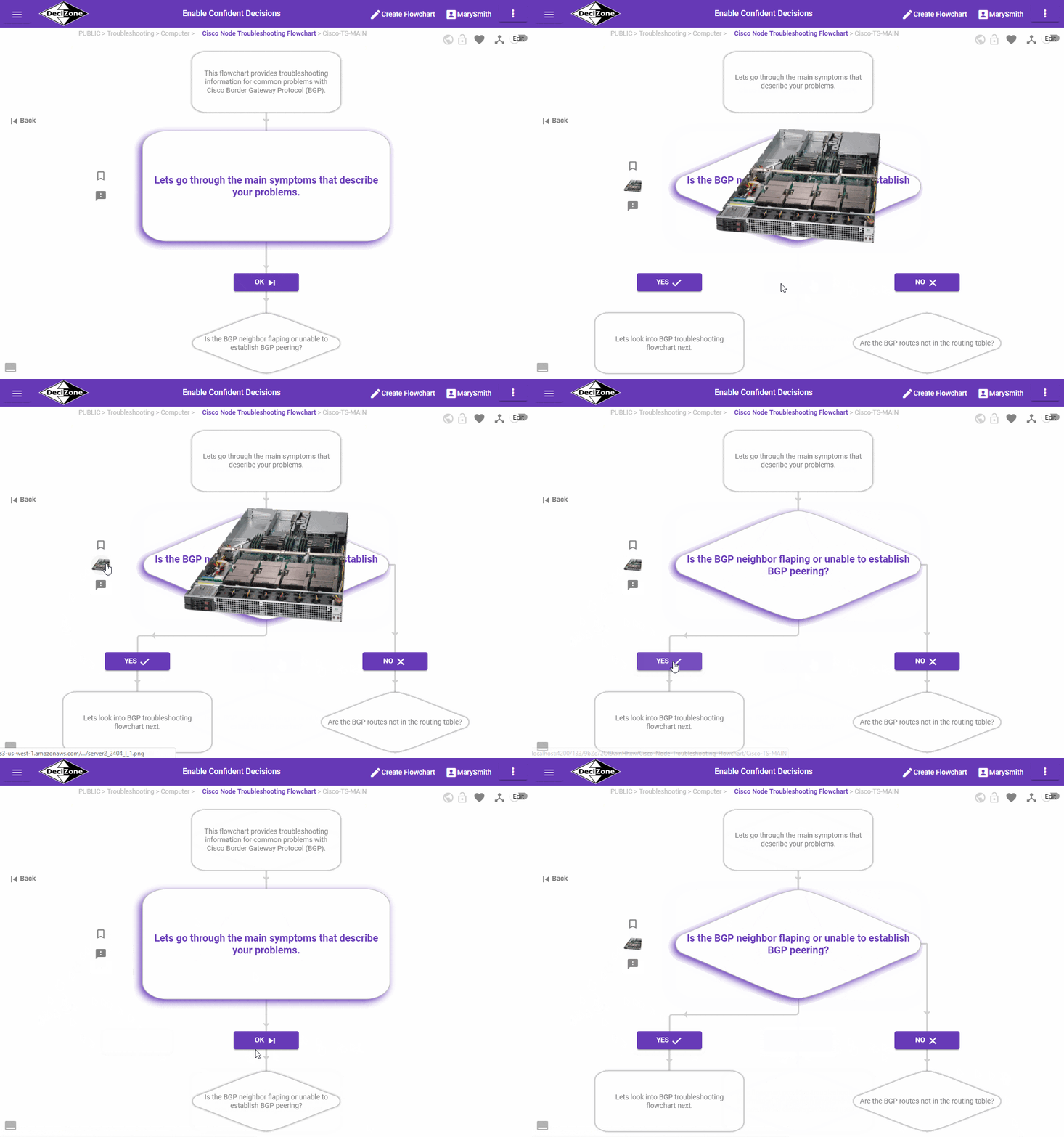
Enable consistent troubleshooting at expert level, even when experts are unavailable.
How it works
Create Troubleshooter Tree
Model your approved logic and policies
Issues Resolved Safely
With traceable, minimal steps
Lower Cost-to-Serve
Improved CSAT with consistency
Lower operational costs by reusing the same governed troubleshooting logic across CRM, help desk, and customer self-service channels.
Customer Experience
TTR (Time To Resolution) ≪ 30 sec
Customer Satisfaction
FCR (First Call Resolution) Rate > 90%
Relevant Advanced Features
Knowledge Base
Searchable versioned troubleshooters
Analytics & Audit Dashboard
Continuously improve CX with evidence
Modular, Reusable Logic
Controlled reuse across products
Support Older Products
Version-specific governed logic
See how DeciZone integrates governed troubleshooting into your existing CRM and support platforms.
With DeciZone, every step is guided by approved logic, governed AI assistance, and clear escalation—powered by no-code interactive decision trees. Interactive Decision Trees & Flowcharts.

Customer first!
" Right after we shared our troubleshooter trees, we saw a significant decrease in number of calls to our help desk team. Good feedback from our customers as well. We would recommend them to anyone 5 stars. "
BM, Director Technical Help Desk
Start Business FREE 30 Day Trial
Schedule a demo to see how governed, decision-tree grounded troubleshooting fits your support workflows.
Frequently Asked Questions (FAQ)
Troubleshooting 101 : What is troubleshooting? What is the purpose of troubleshooting? What is the process of troubleshooting?
Troubleshooting is a structured, repeatable process for isolating and resolving known issues using approved logic.
Troubleshooting vs problem solving : How is troubleshooting different from problem solving?
Troubleshooting applies structured logic to repeatable failures, making outcomes consistent and auditable.
Troubleshooting vs Diagnosis : What is the difference between diagnosing and troubleshooting? Does troubleshooting come before diagnosing? What is diagnostic troubleshooting wizard?
Diagnosis identifies root cause; governed troubleshooting ensures fixes follow approved, traceable steps.
General troubleshooting techniques: How do you troubleshoot problems with symptoms? What is top down troubleshooting? What is Bottom up troubleshooting? What is divide and conquer troubleshooting?
Troubleshooting techniques systematically narrow causes using structured decision paths. Any unexpected or undesirable behavior in a product is a symptom. Troubleshooting is the process of isolating the specific causes of the symptoms and fixing it to address those symptoms. Generally speaking, technical support decision tree troubleshooting techniques and approach depends on the nature of the problem you are trying to solve. Eliminating probable causes of the problem by systematically analysing the symptoms is an important part of the troubleshooting process steps and can take the following popular forms: 1) Top Down Troubleshooting:In this approach, you start with the symptom and go progressively step backwards to find the element that is faulty. This might often be unnecessarily longer process to eventually discover that the root problem was something simple like the power switch was not turned on. 2) Bottom Up Troubleshooting: Here the approach is to start from the first principles and the basic conditions and eliminate causes by progessively stepping forward till you find the faulty element. So if a device is not turning on, you might first check if the power switch is turned on and then if the device is receiving power and nowards. 3) Divide and conquer: Divide the original problem scope into two or more problems with smaller scopes. Then solve the smaller scope problems recursively to identify and corner the root problem to eventually fix the root problem.
What is the significance of a flowchart in problem solving? What is a troubleshooting flowchart? What are problem solving flowchart examples?
A flowchart is a diagrammatic representation of the solution to a given problem but, more importantly, it provides a breakdown of the essential sequence of steps to solving the problem. Flowcharts are very efficient to use because they give visual clarity, they communicate instantly, they are ideal for properly documenting problem solving troubleshooters using the self help troubleshoot creator like DeciZone. When designing and planning your troubleshooting process, flowcharts can help you identify its essential steps and simultaneously offer the bigger picture of the process. Troubleshooting flowcharts typically go through a sequence of basic fault finding probing questions to suggest a solution for most repeatable problems. Troubleshooting flowcharts are commonly used for equipment repair documentation, troubleshooting of computer hardware as well as technical help desk IT troubleshooting. Decision-tree flowcharts standardize troubleshooting logic, ensuring consistency across teams and channels.
Troubleshooting best practices: What is the standard troubleshooting model? What is the universal basic troubleshooting process? How do you generally resolve troubleshooting technical issues? What principles, rules & methodologies are there for troubleshooting? What are some common basic troubleshooting steps? What are the six steps in the troubleshooting process?
Always make sure the power is turned on - the most basic first step commonly advised before starting troubleshooting. After all, you don't want to spend hours on troubleshooting something to finally realize that the root problem was that the power was not turned on. While that is too obvious for most people, at a high level the troubleshooting process can be generalized and broken down into the following six steps. In fact, CompTIA publishes a six-step process related to the troubleshooting process that might be used by tech troubleshooters.
- Problem Identification: Make sure you know exactly what the problem is, what the symptoms are and get a good understanding of the scope of the problem.
- Find Probable Causes: Here you are just making educated guesses to figure out what could be the likely causes for your problem.
- Test & Determine Root Cause: Go through systematic testing to determine what the root cause for the original problem is. This step is the heart of troubleshooting process, so select the most appropriate troubleshooting approaches discussed above and find the root cause of the original problem.
- Implement the fix: Once the root cause is identified, you need to actually fix the problem by taking the appropriate action. This might call for restarting a device, replacing a component or in some cases servicing or cleaning a comopnent.
- Verify Outcome: Before you start celebrating, make sure the fix you implemented did actually solve your original problem. Try to reproduce the original problem as best as you can using different combination of steps. If the problem re-appears, the root cause you determined was wrong or atleast not enough. Start the process again from the first step.
- Document the process: Make sure the experience gained during this troubleshooting exercise is well documented by improving your troubleshooting flowcharts. This way, the next time the same problem happens, your interactive troubleshooter will address it automatically.
DeciZone interactive product troubleshooting decision tree software and repair guide troubleshooters can make it easy for your people to follow the troubleshooting best practices.
IT Help desk troubleshooting questions & common problems: What are the most common help desk problems and solutions? What are the basic helpdesk troubleshooting questions callers ask?
Here are the most common problems that help desk support agents resolve several times a day on a regular basis:
- Printer issues
- Computer problems
- Internet connection problems
- External drives & devices problems
- Restoring lost files
- Password reset & logging In
- Software updates & licenses
- Voicemail issues
- Phone issues
- Third-party software issues
- No Disk Space
- Viruses & Malware related
- Uninstalling Progarms
- Corrupt Hard disks
- Backup & Recovery
Addressing most of these common customer support help desk problems can be conveniently addressed using DeciZone product troubleshooting tree software. You can give your customers as well as your support agents a great experience along with improved productivity using DeciZone IT troubleshooting decision tree software.
Technical troubleshooting training guides: How to create interactive help desk troubleshooting guide? How to make a step by step repair guide? How to share troubleshooting resources in a online knowledge base?
Most products today are designed to make the eventual troubleshooting of any problems much easier - easy enough for the user to fix most low hanging known issues using self solve troubleshooters. The real challenge for help desk support team emerges when you consider the following common support requirements:
- Need to support versions of the same product
- Number of product lines being supported
- Need to use ongoing feedback to improve troubleshooting resources
- Skills for troubleshooting vary from person to person in the support team
- Troubleshooting experience might get siloed with a few senior technical experts creating bottle necks
- Analyze team activity to identify leaders
- Monitor and identify when your troubleshooting resources need to be improved
- Optimize your support hours to serve your people during the time window they want
DeciZone interactive software tools for troubleshooting make it extremely easy for your customers to effortlessly walk through the decision tree troubleshooting software steps and get your product repaired in the shortest amount of time and at a time convenient to them. Your DeciZone account comes with a built-in knowledge base which can be published for your customers to search through all your troubleshooting trees to resolve issues in seconds. The built-in Dashboard makes it easy for you to identify opportunities for improvement so that your help desk interactive troubleshooting software guide can address even more problems completely automatically for your people. DeciZone addresses the above chalenges in a user friendly way so that your help desk team can use the interactive guide and focus on delighting your customer.
SPREAD THE LOVE